

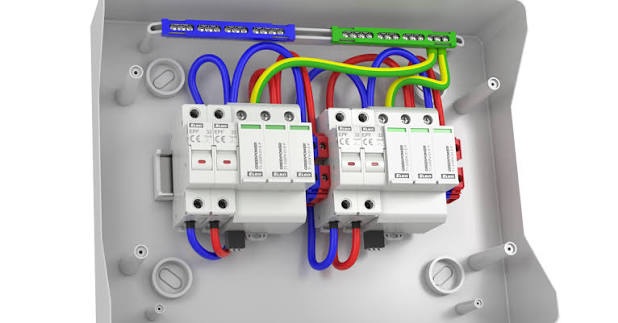
Reliable electrical protection begins with a clear understanding of how a surge protection device connects within a distribution system. An SPD wiring diagram helps show the relationship between line, neutral, protective earth, and the protective device. A useful reference for understanding these connections is https://lsp.global/surge-protection-device-wiring-diagram/.
A well-planned wiring arrangement allows surge energy to follow a controlled discharge path while supporting dependable protection for connected electrical equipment. The diagram should always match the electrical system configuration and the installation requirements.
Planning The Main Connection Points
Before connecting an SPD, identifying the correct terminals and electrical pathways is important. Typical AC arrangements involve connections between the phase conductor, neutral conductor, and protective earth. The exact configuration depends on the supply system and the type of SPD being installed.
Key considerations include:
- Confirming the electrical system and voltage rating.
- Identifying phase, neutral, and protective earth connections.
- Selecting suitable overcurrent protection where required.
- Following applicable electrical installation requirements.
- Checking the device instructions before making connections.
These steps create a clear foundation for an organized protection installation.
Keeping Connections Short And Direct
Connection length has a major influence on surge protection performance. Surge currents rise extremely quickly, so wiring inductance can add unwanted voltage to the protected circuit. Keeping SPD conductors short and direct helps reduce this additional voltage.
Where practical, conductors should be routed together and unnecessary loops should be avoided. A compact connection layout can reduce the electrical path between the SPD, supply conductors, and grounding point.
Creating An Effective Grounding Path
The protective earth connection provides an important route for diverted surge energy. A strong installation therefore requires a properly established grounding and bonding system.
Important practices include:
- Use an appropriately sized protective conductor.
- Connect directly to the designated grounding point.
- Avoid unnecessary bends and excess conductor length.
- Maintain secure and accessible terminations.
- Verify grounding and bonding according to applicable codes.
A dependable grounding path complements the SPD and supports consistent protective performance.
Checking The Completed Installation
After wiring is complete, every connection should be inspected carefully. Confirm that terminals are secure, conductors are correctly identified, and the SPD configuration corresponds with the electrical system. The manufacturer’s instructions and applicable local electrical requirements should always guide the final installation. A thoughtful wiring layout makes surge protection easier to understand, inspect, and maintain. By combining correct system selection, short connections, effective grounding, and careful verification, electrical installations can achieve a practical and dependable approach to surge protection.