

Thoughtful landscape design can create attractive outdoor spaces while making efficient use of valuable resources. Drought-tolerant landscaping combines resilient plants, practical planning, and smart maintenance practices to support beautiful grounds with less frequent care and watering.
Resilient Plant Choices Support Lasting Beauty
Selecting plants that naturally adapt to limited water helps maintain healthy and attractive surroundings. These varieties can provide texture, color, and visual interest while reducing the attention required for regular upkeep.
- Choose plants that thrive with limited watering.
- Combine different textures for visual variety.
- Include flowering varieties for seasonal color.
- Select resilient ground covers for attractive surfaces.
- Group plants according to similar water needs.
Efficient Watering Encourages Resource Conservation
Careful water management helps outdoor areas remain fresh while supporting responsible resource use. Properly planned watering routines deliver moisture where it is most useful, helping plants stay healthy without unnecessary consumption.
- Water plants according to their individual needs.
- Focus moisture around plant root zones.
- Adjust watering schedules for seasonal conditions.
- Use mulch to help retain soil moisture.
- Inspect planting areas regularly for efficient coverage.
Attractive Design Creates Welcoming Outdoor Spaces
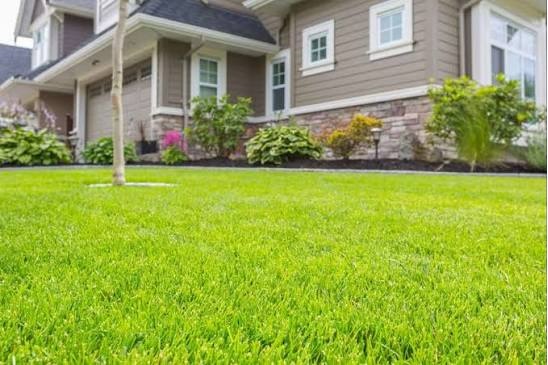
Sustainable landscaping can be visually appealing as well as practical. Thoughtful placement of plants, pathways, decorative elements, and open areas creates balanced grounds that remain inviting throughout changing seasons.
- Arrange plants to create natural visual flow.
- Use varied heights to add dimension.
- Incorporate attractive borders around planting areas.
- Maintain clear and comfortable walking spaces.
- Add seasonal accents for refreshing visual interest.
Lower Maintenance Simplifies Property Care
Reduced watering needs can make routine landscape care more manageable. When resilient plants and efficient layouts work together, maintenance teams can spend more time on essential tasks while keeping the grounds polished and healthy.
- Reduce frequent watering requirements.
- Minimize unnecessary plant replacement.
- Maintain clear spaces around established plants.
- Schedule pruning according to plant growth.
- Remove unwanted growth during regular inspections.
Healthy Soil Strengthens Landscape Performance
Strong soil provides an important foundation for sustainable outdoor areas. Improving soil quality supports healthier roots, better moisture retention, and stronger plant development, helping landscapes remain attractive with consistent but manageable care.
- Add suitable organic material to improve soil structure.
- Protect soil surfaces with natural mulch.
- Encourage healthy root development.
- Monitor soil moisture before watering.
- Maintain planting beds with regular care.
Smart Planning Delivers Long-Term Value
A carefully designed landscape can provide lasting benefits through every season. Combining durable plant selections, efficient resource use, and practical maintenance creates grounds that remain attractive while supporting a simpler approach to upkeep.
- Plan planting areas around long-term growth.
- Select durable materials for landscape features.
- Keep maintenance requirements in mind during design.
- Review plant performance throughout the year.
- You can click here to explore ideas for creating efficient, attractive grounds.
Drought-tolerant landscaping offers a positive way to combine beauty, sustainability, and practical maintenance. With resilient plants, efficient watering, healthy soil, and thoughtful design, outdoor spaces can remain inviting and vibrant while requiring less frequent attention. This balanced approach supports attractive grounds and encourages responsible care for the future.