The art of presentation shapes how people experience history, culture, and creativity. Museums and galleries understand that even the most extraordinary artifact needs the right setting to reveal its true impact. That’s why investing in museum quality display cases is essential for institutions seeking both preservation and aesthetic excellence.
Balancing Preservation and Presentation
In a museum environment, display cases must serve two masters: protection and beauty. They need to shield delicate items from dust, light, and humidity, while ensuring visitors can appreciate every detail. Modern museum cases use climate-resistant materials, low-reflective glass, and precise sealing systems to maintain stable conditions inside while providing clear visibility.
But functionality doesn’t mean sacrificing design. Sleek lines, invisible seams, and integrated lighting make these cases architectural features in their own right. The goal is to make the case disappear—allowing the object itself to command attention.
Lighting as a Storytelling Tool
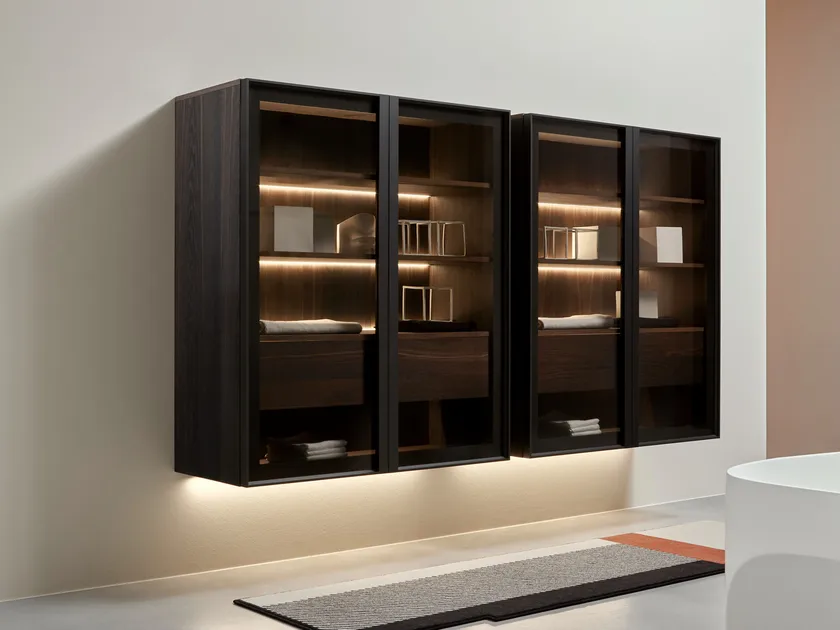
Light plays a crucial role in how exhibits are perceived. Even a subtle change in tone or intensity can shift a viewer’s emotional response. For museum displays, lighting should reveal texture and color without causing deterioration. Low-heat LED systems are often built into the case to achieve that balance.
Directional lighting can highlight specific features or guide the visitor’s eye through a collection. Paired with reflective surfaces or matte finishes, light transforms simple objects into immersive experiences.
Designing Visitor Flow
Display cases influence more than visibility—they shape how visitors move through the space. The size, height, and arrangement of cases define pacing. Larger freestanding cases create natural pauses, while wall-mounted or island cases guide circulation. Strategic placement ensures visitors can appreciate artifacts without congestion or distraction.
In a retail or gallery setting, this principle still applies. Creating moments of focus and calm within an energetic space helps elevate products, artworks, or collectibles.
Material and Construction Quality
Longevity is key. The best museum cases are made from high-quality glass, aluminum, or wood composites designed to resist warping and aging. Precision hinges, gasketed seals, and modular assembly make them adaptable for future exhibits. Every detail—from joinery to finish—reflects craftsmanship and care.
Turning Objects Into Experiences
Ultimately, the best display cases act as invisible storytellers. They frame the object while protecting it, transforming artifacts into experiences that connect generations. When design, lighting, and preservation work in harmony, visitors don’t just look—they feel.
Investing in true museum quality display cases ensures that what’s valuable today will continue to inspire tomorrow, beautifully preserved and perfectly presented.