

In a well-executed retail space, everything has purpose — from lighting and signage to flooring and fixture placement. One element that quietly but powerfully influences how customers interact with merchandise is the shelving system. Well-designed shelving creates a rhythm in the store where products are seen, touched, and considered with ease. When done right, retail display shelves help your space feel organized, intentional, and inspiring without overwhelming shoppers.
The Role Shelving Plays in Customer Experience
Shelves act as both backbone and guide. They define specific zones, highlight important collections, and help create intuitive shopping paths. Customers rarely approach a shelf at random; instead, their eyes gravitate toward well-lit, cleanly arranged products displayed at comfortable viewing heights. When shelves are thoughtfully spaced with room to browse, it improves dwell time and encourages deeper engagement.
Unlike large fixtures that anchor sections of a store, shelving can subtly weave narrative through products — linking categories, showcasing seasonal themes, and reinforcing brand consistency with finish choices and layout harmony.
Balancing Accessibility and Aesthetics
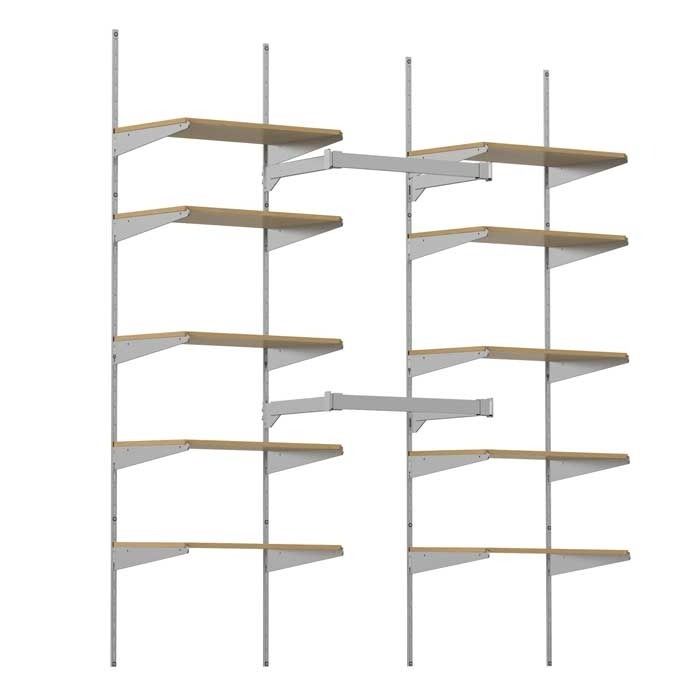
There’s an art to arranging products on shelves that makes browsing feel natural. Items placed at eye level tend to get the most attention, but every shelf height offers a strategic opportunity:
- Top shelves work well for visually compelling displays or featured collections.
- Middle shelves are ideal for core merchandise and high-margin items.
- Lower shelves are great for bulk items, accessories, or complementary products.
Maintaining clean lines, grouping similar items, and avoiding overcrowding ensures that every product gets its moment. Adjustable shelving allows flexibility, so displays can evolve as inventory changes or trends shift.
Materials and Finishes That Enhance Brand Identity
Shelving doesn’t just hold products — it speaks to brand character. Sleek metal frames and glass offer a modern, minimalist feel that fits contemporary apparel or tech accessories. Warm wood tones convey craftsmanship and approachability, ideal for boutiques or lifestyle goods. Neutral laminates can serve as a versatile backdrop that keeps the focus on the product itself.
Consistency in materials across shelving units ties different sections together, making the overall store feel cohesive rather than assembled in fragments.
Integrating Lighting for Visual Impact
Good lighting transforms shelving into storytelling platforms. Directional LEDs, under-shelf strips, or soft backlighting help define depth and accentuate color and texture. Soft lighting also reduces harsh shadows that can distract from product details. Strategic illumination ensures that each shelf feels intentional, guiding customers’ eyes naturally from one tier to the next.
Evolving with Inventory and Trends
Retail is dynamic — what’s trending this month might shift next season. Shelving systems that allow for easy reconfiguration or seasonal refreshes help keep the space visually engaging. Changing the products on display, updating color groupings, and rotating featured pieces breathes new life into a store without the need for major redesigns.
Routine upkeep — dusting, aligning items, and replacing worn components — keeps shelving looking fresh and supports a polished customer experience.
Conclusion
Shelving may seem like a foundational element of store design, but its impact on engagement and sales is substantial. By combining accessibility, aesthetic harmony, and strategic placement, retail display shelves become more than fixtures — they become tools that enhance browsing, elevate products, and guide customer journeys with subtle intelligence. When customers feel comfortable and invited, they stay longer, explore more, and leave with a positive impression of your brand.