

A good renovation feels boring in the best way. No drama. No “surprise” invoices. No wandering subcontractors asking you where the materials are.
JGC Builders tends to run projects like that: design decisions up front, construction decisions on purpose, and a paper trail that makes the whole thing feel… controllable. That’s not flashy, but it’s how you end up with a home that still feels solid five years later, when the novelty wears off and you’re just living in it.
One-line truth: Quality is mostly planning.
The approach (and why it works when others don’t)
Here’s the thing: most renovation pain comes from ambiguity. Vague scope. Half-picked finishes. “We’ll figure it out in the field.” That last one is where budgets go to die.
JGC’s method works because it forces clarity early. Not just “what do you want?” but what are you willing to trade off when reality shows up: lead times, framing constraints, permit cycles, HVAC routes, existing plumbing that’s never where the drawings wish it was.
Now, this won’t apply to everyone, but if you’re the type who wants to make decisions with real numbers in front of you, their structured planning hits the sweet spot. You get milestones tied to tangible approvals, not vibes. That’s a big reason why JGC Builders are home renovation experts.
A few things I’ve seen consistently reduce friction on renovations (and JGC leans into all of them):
– Defined scope with decision deadlines (yes, deadlines for you too)
– Itemized budgeting tied to selections, not allowances that magically inflate later
– Weekly communication cadence that doesn’t disappear when work gets loud
– Risk planning for permits, inspections, and long-lead materials
That’s the boring backbone that keeps the “fun” parts like lighting and finishes from becoming expensive chaos.
Design-to-build, but in plain English
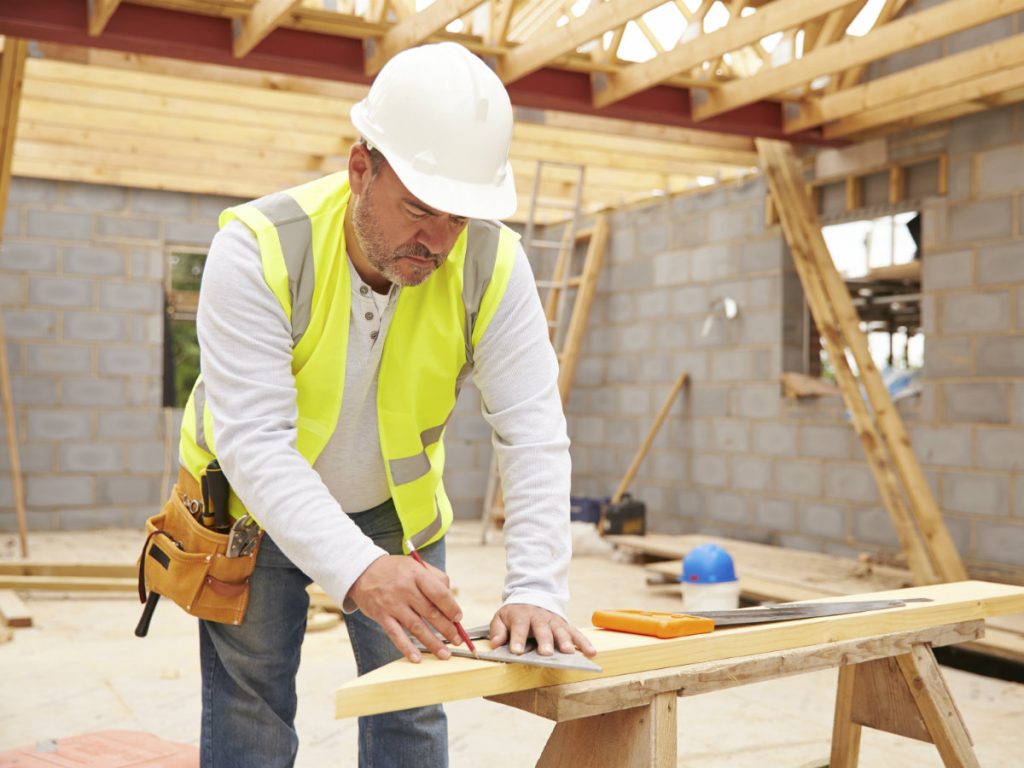
Design-to-build can be a buzzword. Or it can be a practical workflow that keeps everyone from stepping on each other.
With JGC’s style of design-then-build, the key is sequencing: design decisions aren’t treated as decoration. They’re treated as inputs to schedule, procurement, and construction detailing.
Design-Then-Build Workflow (specialist mode for a minute)
The design phase isn’t just floor plans and pretty renderings. It’s where you lock:
– performance requirements (durability, moisture resistance, maintenance)
– constructability constraints (bearing walls, joist direction, MEP routing)
– procurement realities (lead times, substitutions, alternates)
Then, construction starts with fewer open loops. Trades coordinate off drawings that are meant to be built from, not interpreted.
If you’ve ever watched a job site argue over a missing detail, you already know why this matters.
From Concept to Construction (the human side)
You start with goals. Real ones. “More light in the kitchen,” “a bath that doesn’t feel like a closet,” “I want storage without making the hallway narrower.”
Then the team translates that into layouts, materials, and a schedule you can follow without a decoder ring. You’ll see iterations, you’ll react, you’ll tweak. And ideally you’ll finalize before permits and orders, because changing your mind after cabinets land isn’t “flexible.” It’s expensive.
(And yes, sometimes you should change your mind. The difference is having a system that shows the cost and time impact before you say yes.)
Materials, techniques, QA: the unsexy part that makes the finish feel expensive
Bold opinion: if a builder talks more about tile patterns than moisture management, be nervous.
JGC puts weight on the fundamentals: durable materials chosen for the way a home gets used, not just photographed. That means balancing sustainability with performance and cost. Not everything “eco” performs well in the real world, and not everything “premium” is worth the upcharge.
What quality assurance looks like when it’s not just a phrase
A real QA program has checkpoints you can point to:
– material submittals and approvals before installation
– on-site inspections at key rough-in stages
– documented punch lists and final performance checks
The best teams document decisions as they go. That paper trail isn’t bureaucracy; it’s protection. For you, and for them.
A data point, since everyone loves one: according to the U.S. Census Bureau’s Survey of Construction, building material price swings have been significant in recent years, affecting project costs and timelines in ways homeowners don’t always anticipate (U.S. Census Bureau, Construction Price/Cost indices and related construction data releases). Translation: disciplined procurement and clear alternates aren’t optional anymore.
Real timelines: week-by-week, minus the fairy tales
People ask for timelines like they’re ordering pizza. Renovations don’t work like that.
Still, you can get a clear sequence, and JGC leans into week-by-week visibility. I like that. A schedule should tell you what’s happening, what decisions are due, and what can break the critical path.
Week-by-week milestones (example structure)
Week 1: scope confirmation + finish selections locked (paint, fixtures, key materials)
Week 2: site protection + demo prep + trade scheduling
Week 3: framing and structural work, inspections queued to avoid idle days
Week 4: rough-ins (plumbing/electrical/HVAC), safety and access stabilized
Week 5: carpentry, surfaces, tile prep, beginning of “it looks like a house again”
Week 6: finishes, walkthrough, punch list, final corrections
Could your project be longer? Absolutely. Kitchens and baths often stretch due to cabinet lead times, custom tile work, or permit timing. But the point is the same: you should always know what week you’re in and what “done” looks like for that week.
One-line reality check: permits don’t care about your deadline.
Timeline milestone details (where projects are won or lost)
A useful schedule includes decision points and “lock-in” dates. If you haven’t picked plumbing fixtures by the time rough-in starts, the schedule isn’t “behind.” It was never real.
JGC’s approach, at least as described, builds in early alerts: if permitting stalls, if a shipment slips, if a trade sequence needs reshuffling. That’s not pessimism. That’s competence.
Budget planning for quality: avoiding surprises without pretending surprises don’t exist
Budgeting isn’t just “what can I afford.” It’s “what can I afford and still build correctly.”
JGC’s budget discipline shows up in how they tie cost to scope and scope to milestones. That’s the triangle. Break one side and the others wobble.
A practical framework I’ve seen work (and what this approach aligns with):
– Detailed estimate: materials, labor, permits, disposal, protection, temporary utilities
– Contingency: a real cushion for unknowns in existing conditions
– Change management: no “quick swap” without schedule and cost impact spelled out
– Weekly spend tracking against progress, not against optimism
Look, if someone promises “no surprises” on a renovation, I don’t trust them. What you want is no unmanaged surprises.
Collaborative renovations: communication that doesn’t collapse mid-project
Some builders communicate beautifully… until demo starts. Then it’s radio silence and you’re chasing updates like it’s your new hobby.
A collaborative renovation has rules. Response times. Decision logs. A shared understanding of what counts as a change order.
JGC’s model emphasizes steady updates, visual progress, and documented decisions. In my experience, that’s what keeps homeowners calm when the house is dusty and the kitchen is gone. Flexibility is built in through alternates and phased approvals, so you can pivot without nuking the schedule.
And yes, sometimes you’ll have to compromise. The best teams explain the trade plainly: cost, time, performance. Pick two, or pay for all three.
Kitchens, baths, whole homes: where JGC tends to stand out
Kitchens and baths are unforgiving. They combine water, electricity, ventilation, and daily abuse, all in tight spaces where mistakes can’t hide.
JGC differentiates itself (based on this project style) through coordination and finish discipline:
Kitchens
Efficient layouts, durable surfaces, lighting that’s planned instead of patched in later. Workflow matters more than trends, and I’ll die on that hill.
Baths
Water management, proper substrate prep, precise tiling, quiet plumbing that doesn’t announce itself at 2 a.m. The “spa feel” is nice; the leak-free wall assembly is nicer.
Whole-home renovations
This is where planning and sequencing really pay off. Structural integrity, consistent design language, and trade coordination that doesn’t create a domino effect.
Custom features aren’t treated as random upgrades either. They’re integrated into the plan so they don’t derail it.
A renovation should end with you trusting the house more than you did before you started. If the process is clear, the QA is real, and the timeline has consequences, that’s usually what happens.